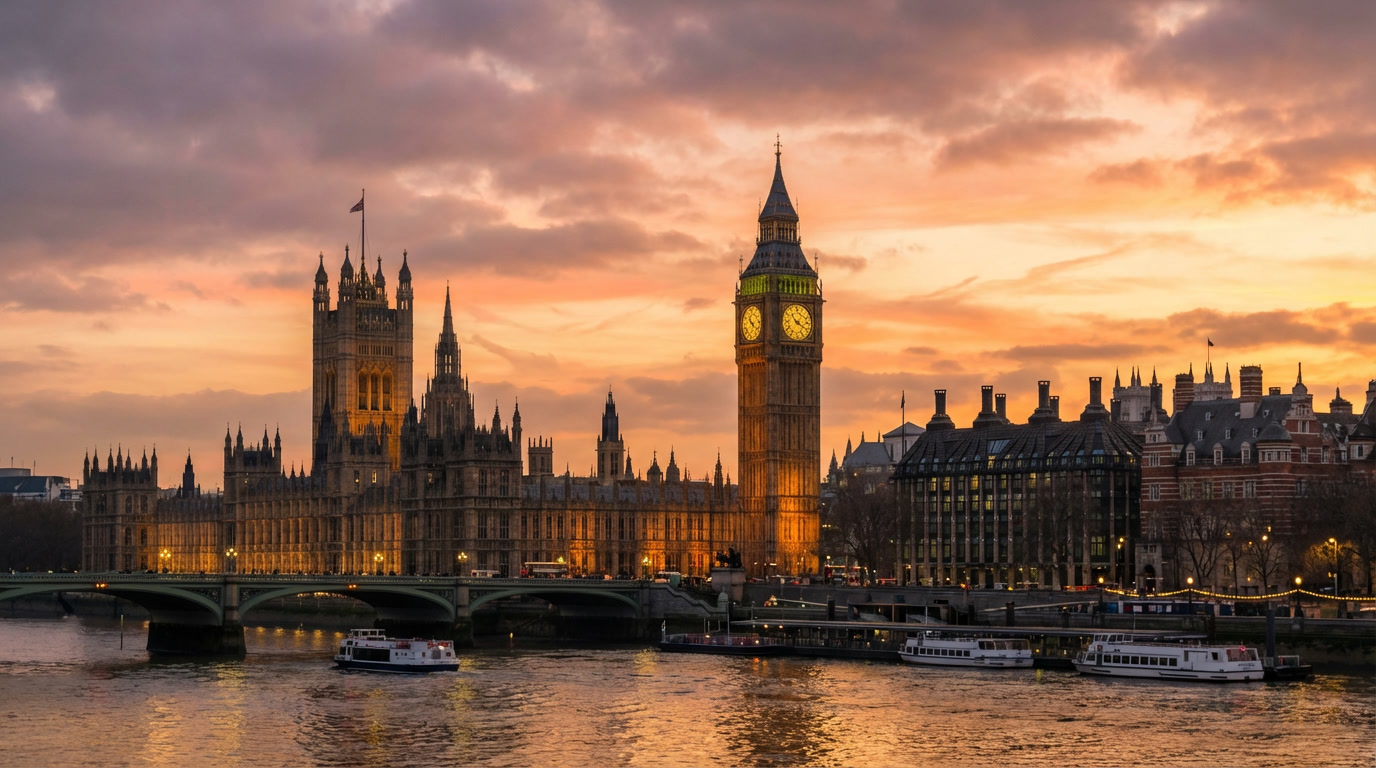
In just a few weeks, something quietly familiar will happen in the early hours of a Sunday morning. Phones will update themselves. Microwaves will blink 12:00. And for a brief moment, millions of people across the UK will feel like they’ve lost an hour of sleep — but gained a little piece of summer.
The clocks are going forward. Again.

After what’s already felt like a long, grey winter for many, the shift into British Summer Time (BST) is one of those small calendar moments that carries an outsized emotional punch. Longer evenings. Lighter commutes. The sense that the year is finally turning a corner.
This year, the change arrives slightly earlier than some might expect.
When the clocks change and what actually happens
Across the UK, clocks will move forward by one hour at 1am on Sunday, March 29, officially marking the start of British Summer Time. At that moment, 1am instantly becomes 2am, and the country steps into lighter evenings — even if mornings feel a little harsher at first.

The clocks will stay on BST until the last Sunday in October, when they fall back again to Greenwich Mean Time (GMT).
While most digital devices update automatically, the body clock doesn’t. That’s why the first few days after the change often feel oddly disorienting. Sleep scientists regularly note a short-term spike in tiredness, lower concentration, and even minor mood dips in the days immediately following the switch.
Still, for most people, the trade-off feels worth it.
When sunsets pass 8pm across the UK

One of the most anticipated side effects of BST is the return of late sunsets. Almost immediately after the clocks change, some parts of the UK will see daylight stretching beyond 8pm.
In County Fermanagh, Northern Ireland, sunsets after 8pm will arrive right after the switch. For the rest of the UK, it’s a waiting game — but not a long one.
Based on astronomical forecasts:
- Edinburgh is likely to see its first post-8pm sunset around April 6
- Cardiff follows around April 10
- Birmingham reaches that milestone by approximately April 12
- London waits a little longer, with sunsets passing 8pm around April 17
These dates shift slightly each year due to Earth’s orbit, but the emotional effect is always the same. Parks stay busier. Pub gardens fill faster. Evening walks stop feeling like an endurance sport.
Why the UK changes the clocks at all
The idea of daylight saving is older than many people realise — and more practical than poetic.
The concept was first floated in 1784 by American inventor Benjamin Franklin, who jokingly suggested that people could save money on candles by waking earlier and using more daylight. The idea wasn’t taken seriously at the time, but it planted a seed.
More than a century later, British builder and campaigner William Willett revived the proposal. In 1907, he published a pamphlet titled “The Waste of Daylight,” arguing that shifting the clocks could better align waking hours with natural light, boosting productivity and wellbeing.
Willett didn’t live to see his idea adopted. In 1916, during the First World War, Germany became the first country to introduce daylight saving time as a way to conserve fuel. The UK quickly followed, along with several other European nations involved in the war, according to historical records from Royal Museums Greenwich (https://www.rmg.co.uk).
The logic was simple: more daylight in the evening meant less energy spent on lighting and heating — a practical wartime measure that quietly became a peacetime habit.
Does British Summer Time still make sense today?
This is where the debate never really ends.
Supporters argue BST still delivers real benefits. Longer evenings encourage outdoor activity, support tourism and retail, and reduce road accidents by shifting daylight into busier travel hours. Some studies have also linked lighter evenings to improved mental wellbeing during spring and summer.
Critics counter that the energy-saving benefits are far smaller today, especially in a world of LED lighting and always-on devices. Others point to darker winter mornings as a safety concern, particularly for children travelling to school.
There have been repeated calls to scrap the clock changes altogether or adopt a permanent time system. Yet every proposal seems to stall once it runs into regional differences — what works for southern England doesn’t always suit northern Scotland.
For now, the clocks keep moving.
How the change quietly shapes everyday life
What’s striking about BST is how subtle yet powerful it is. No law forces you to go for an evening walk or stay out later. And yet, behaviour shifts almost automatically.
Gyms report higher evening attendance. Cafés extend outdoor seating. Employers notice changes in productivity rhythms. Even financial markets and trading patterns show small seasonal variations tied to daylight hours.
It’s not magic. It’s biology.
Human circadian rhythms respond strongly to light. When evenings stay bright longer, the day feels more open-ended. Time stretches. Winter’s sense of compression finally loosens its grip.
That’s why, despite the groans about losing an hour of sleep, few people genuinely wish BST away once April arrives.
The quiet signal that summer is coming
The clocks going forward isn’t summer itself. March weather can still be cruel. April can snow. May can disappoint.
But BST is a signal. A promise, really.
It says the worst of the dark mornings is behind us. It says evenings will belong to us again. And for a country that spends half the year negotiating with clouds, that promise carries weight.
So when your alarm goes off a little earlier than expected on March 29, and you curse the clock for stealing sixty minutes — remember what it’s buying you back.
Light, slowly but surely, is returning.
FAQs:
When exactly do the clocks go forward in the UK?
The clocks move forward by one hour at 1am on Sunday, March 29, marking the start of British Summer Time.
Do all parts of the UK change at the same time?
Yes. England, Scotland, Wales, and Northern Ireland all move to BST simultaneously.
Why does Northern Ireland get late sunsets earlier?
Western locations experience later sunsets because of longitude. Places further west naturally see the sun set later than eastern areas like London.