
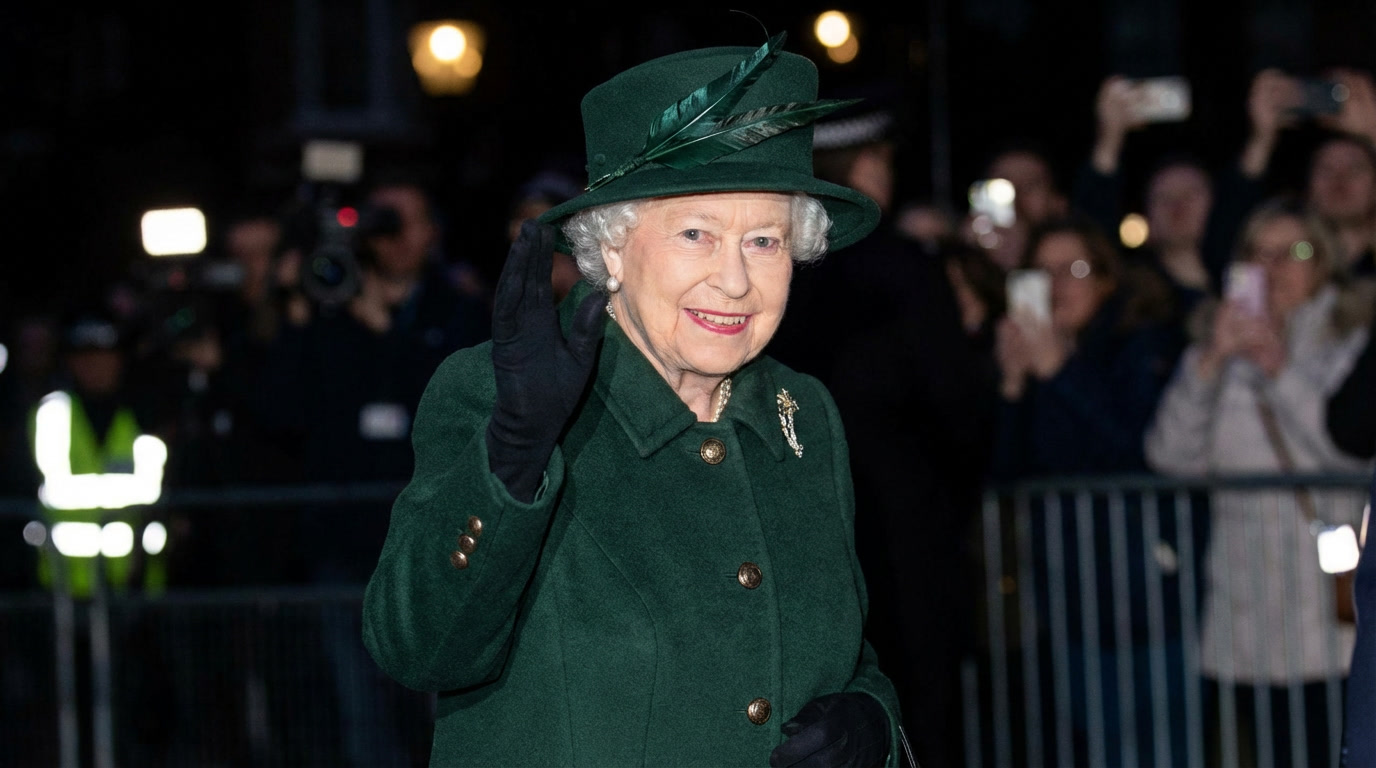
Queen Elizabeth II was the longest-reigning monarch in British history, serving as the Queen of the United Kingdom for more than 70 years. She was born on April 21, 1926, in London, and never originally expected to become queen. However, after her uncle King Edward VIII abdicated the throne, her father became King George VI, placing Elizabeth next in line.
She ascended the throne in 1952 at the young age of 25, following her father’s death. Her coronation in 1953 was a historic moment, becoming the first to be broadcast on television and watched by millions around the world.

Queen Elizabeth II’s reign covered a period of enormous global change. She witnessed the aftermath of World War II, the decline of the British Empire, and the independence of many countries across Africa, Asia, and the Caribbean. Under her leadership, the Commonwealth evolved into a voluntary association of independent nations rather than a symbol of empire.
Despite having limited political power, the Queen played an important symbolic role. She met with more than a dozen British prime ministers, from Winston Churchill to Liz Truss, and hosted countless world leaders. Known for her neutrality, discipline, and sense of duty, she remained a steady presence during times of crisis and change.

Throughout her life, Queen Elizabeth II carried out thousands of official engagements, charity visits, and state ceremonies. She was widely admired for her dedication to public service, often working well into her later years. Her calm demeanor and commitment earned her respect not only in the UK but across the globe.
Queen Elizabeth II passed away on September 8, 2022, marking the end of an era. Her legacy is remembered for stability, tradition, and service, making her one of the most influential and respected figures in modern history.
FAQs:
Who was Queen Elizabeth II?
Queen Elizabeth II was the longest-reigning monarch in British history and served as the Queen of the United Kingdom for over 70 years.
When did Queen Elizabeth II become queen?

She ascended the throne in 1952 after the death of her father, King George VI.
Why is Queen Elizabeth II historically important?
Her reign covered major global changes, including the decline of the British Empire, the rise of the Commonwealth, and significant social and technological transformations.