A lot of folks over 65 will tell you this in a low voice, like it’s a guilty secret: “I want to stay fresh… but daily showers are turning my skin into sandpaper.” And honestly? You’re not imagining it. After 65, skin changes fast—sometimes seemingly overnight. The best routine isn’t about being super strict or “toughening up.” It’s about working with your skin’s biology so you feel clean, comfortable, and safe.
Why skin after 65 needs a softer touch
What changes under the surface
As we age, skin holds onto water less efficiently. The natural oils (lipids) that keep skin supple drop. The barrier gets thinner, healing slows, and the balance of the skin surface shifts. A shower routine that felt perfect at 45 can start triggering itch, flaking, or that tight “papery” feeling by your mid-60s.

The National Institute on Aging notes that older skin is more prone to dryness and irritation, and that gentle cleansing plus moisturizing can make a big difference in comfort and skin integrity (see guidance on skin care and aging).
How hot water and harsh soap make it worse
Hot water strips oils quickly. Strong soaps (especially deodorant soaps and heavily fragranced body washes) amplify it. Scrubbing hard with loofahs or rough cloths can cause tiny micro-damage that you won’t see until later—when the itch starts.
If you stack hot water + strong soap + vigorous scrubbing, the barrier can crack—especially on shins, forearms, hands, and feet. Gentle habits help your skin keep moisture longer and reduce inflammation, which matters more as the immune system slows with age.
So… how often should you shower after 65?

For many adults over 65, the sweet spot is:
A full shower every other day, plus a targeted wash on off-days.
That rhythm keeps you clean without constantly stripping the skin barrier. But lifestyle matters. If you sweat a lot, garden daily, live in humid heat, or manage incontinence, you may need more frequent cleansing—just smarter and gentler.
Here’s a simple, practical comparison:
| Frequency | Skin impact | Odor/hygiene | Best for |
|---|---|---|---|
| Daily | Higher dryness/itch risk unless ultra-gentle | Strong | Heavy sweating, hot climates, rehab settings |
| Every other day | Usually best balance for moisture + comfort | Very good with targeted wash | Most adults 65+ |
| 2–3x/week | Often fine for very dry skin | Good if targeted wash is consistent | Low-sweat routines, winter dryness |
| Weekly | Barrier may feel “better,” but hygiene risk rises | Often not enough | Rarely ideal unless medically directed + strong targeted care |
Make off-days count: the 10-minute targeted wash

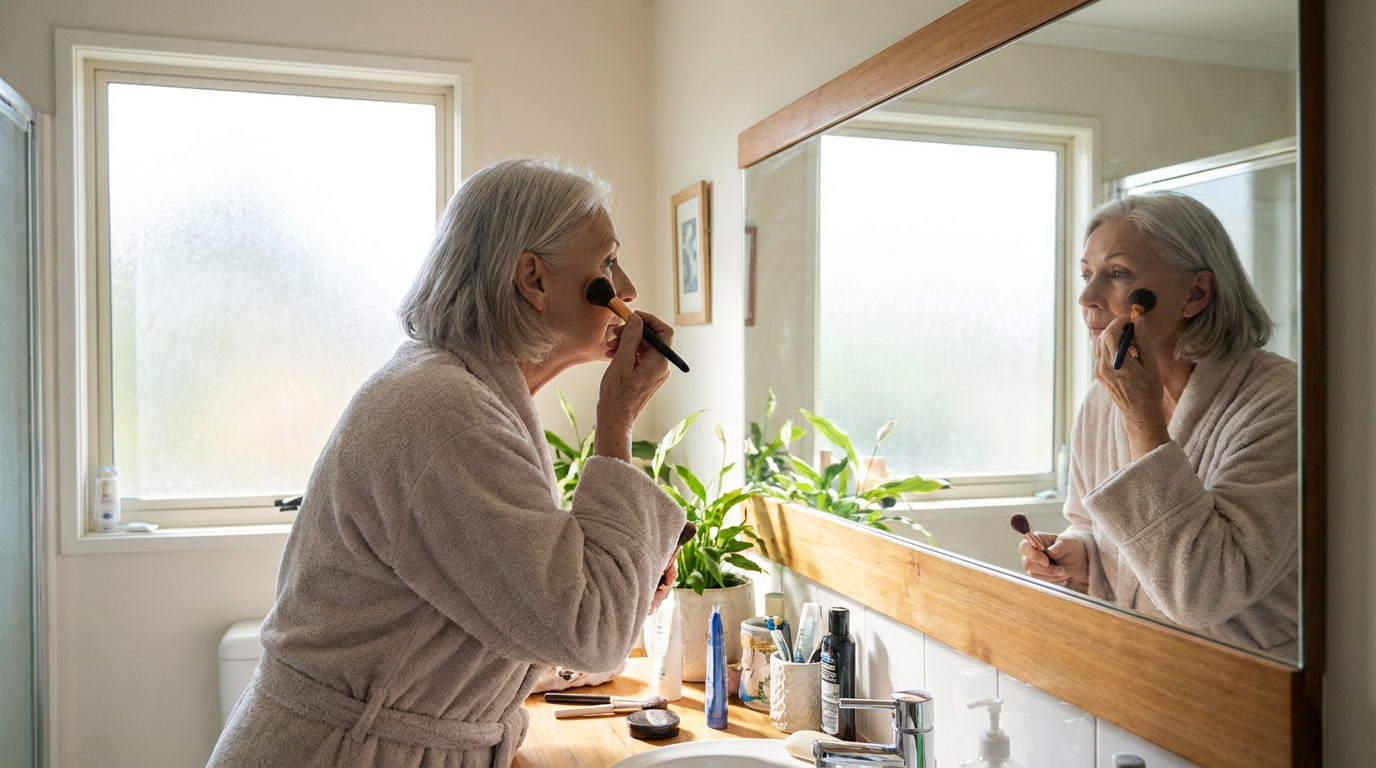
Think “freshen where it matters.” This protects the skin barrier while keeping hygiene solid.
Face: Lukewarm water. Use a mild cleanser only if you wore sunscreen, makeup, or you feel greasy.
Underarms + groin: Soft cloth, gentle cleanser, rinse well, pat dry.
Feet: Wash daily. Dry carefully between toes to reduce fungal risk—especially important if you have diabetes (see foot care basics from NIDDK).
Hands: Wash as needed with mild soap, then apply hand cream right after.
Clothing: Fresh underwear and socks daily—non-negotiable.
Deodorant: Apply after washing; consider fragrance-free if sensitive.
Room air: A quick vent helps keep bathrooms/bedrooms from trapping odors.
This targeted routine is also a great “bridge” on days when you feel tired, sore, or rushed but still want to feel clean.
Bathroom safety: the part people underestimate
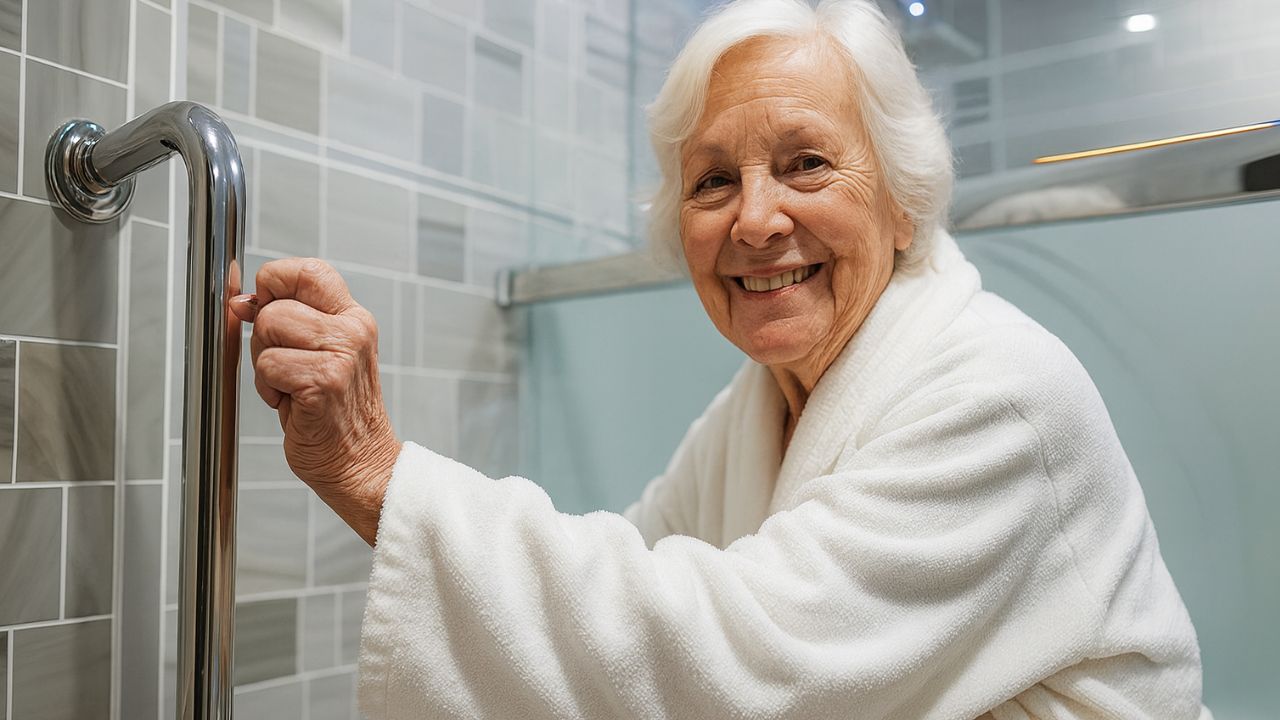
If there’s one upgrade that matters more than the brand of body wash, it’s fall prevention. Bathrooms are slippery, tight, and full of hard surfaces. The CDC flags falls as a major risk for older adults, and making bathing safer is a real-life health decision (see home fall prevention resources from CDC).
Practical safety upgrades:
- Grab bars near shower entry and toilet
- Non-slip mats inside and outside the tub/shower
- Shower chair with back support (especially if you get dizzy or tired)
- Handheld showerhead to reduce twisting
- Bright lighting + night light
- Warm the room first to avoid chills
- Keep soap, towel, and clothes within easy reach (elbow height is a good rule)
If you’ve had near-falls, don’t “wait and see.” Fix the setup now.
Products and techniques that protect aging skin
Water, temperature, and time
- Use lukewarm, not hot
- Keep showers under 10 minutes
- Rinse well
- Pat dry—don’t rub
- Moisturize within 3 minutes after drying (this locks in water)
Cleansers
Look for:
- Fragrance-free, dye-free
- “Gentle” or “for sensitive skin”
- Creamy or low-foam formulas
Avoid:
- Harsh deodorant soaps
- Strong exfoliating acids without medical guidance
- Scrubs, loofahs, rough gloves (they’re too abrasive for many older adults)
Moisturizers
For true dryness, lotions often aren’t enough. Creams and ointments work better. Ingredients that help:
- Ceramides (barrier repair)
- Glycerin (water-binding)
- Petrolatum (seals moisture)
- Dimethicone (protective barrier, great for chafing)
Shins, forearms, hands, and feet usually need the richest products. If you hate sticky feel, use a lighter cream in the morning and a thicker one at night.
Adjusting the routine for common health situations
Arthritis or limited mobility: Shower chair, long-handled sponge, pump bottles instead of squeeze tubes.
Incontinence: Clean promptly with gentle, pH-balanced products; consider barrier creams (zinc oxide or dimethicone).
Diabetes: Daily foot checks, keep toes dry, treat cracks early (NIDDK guidance linked above).
Eczema/psoriasis: Fewer showers, richer moisturizers, fragrance-free everything; ask a clinician about medicated options if flares are frequent.
Memory changes: Keep routine consistent, calm, warm, and simple—same steps, same order, every time.
When it’s time to ask for help
Don’t tough it out if you notice:
- Persistent itch that disrupts sleep
- Recurrent rashes
- Odor returning quickly even with hygiene
- Red, weepy, or cracked patches
- Peeling between toes
- Cracked heels that bleed
- Dizziness or near-falls in the bathroom
Sometimes the fix is as simple as changing cleanser or adding a heavier moisturizer. Sometimes it’s a medical issue (fungal infection, eczema, medication side effect) that needs treatment.
A simple weekly plan you can actually stick to
Here’s a realistic schedule that works for many people:
| Day | Plan |
|---|---|
| Mon, Wed, Fri, Sun | Full shower + moisturize neck-to-toes |
| Tue, Thu, Sat | Targeted wash + fresh underwear/socks + deodorant |
Swap days around appointments, workouts, hot weather, or guests. If you do yard work or sweat heavily, add a quick rinse—but keep it short and moisturize after.
Wrap-up
After 65, the goal isn’t “more showering.” It’s smarter showering. Most people do best with every-other-day full showers, targeted washing on off-days, lukewarm water, gentle cleansers, and immediate moisturizing. Add solid bathroom safety, and you’re not just preventing dryness—you’re preventing falls, infections, and those miserable weeks where your skin feels like it’s protesting everything.
FAQs:
Is it unhygienic to shower every other day after 65?
Not usually. If you do targeted washing of underarms/groin/feet and change underwear/socks daily, hygiene is generally very good.
What’s the biggest mistake older adults make in the shower?
Hot water + harsh soap + scrubbing. That combo strips oils and damages the barrier fast.
Should I moisturize even if I don’t feel dry?
Yes, especially shins, arms, and hands. Preventing dryness is easier than fixing it once it starts.