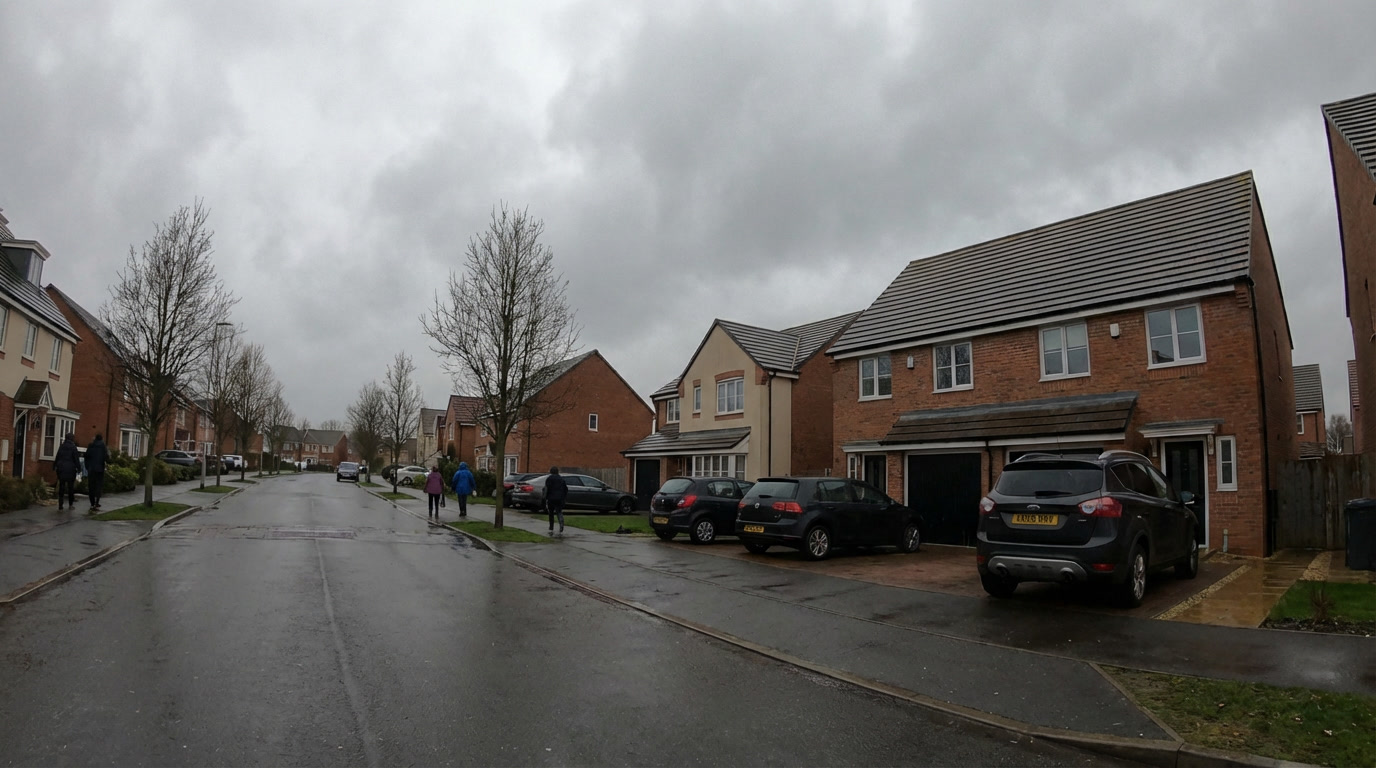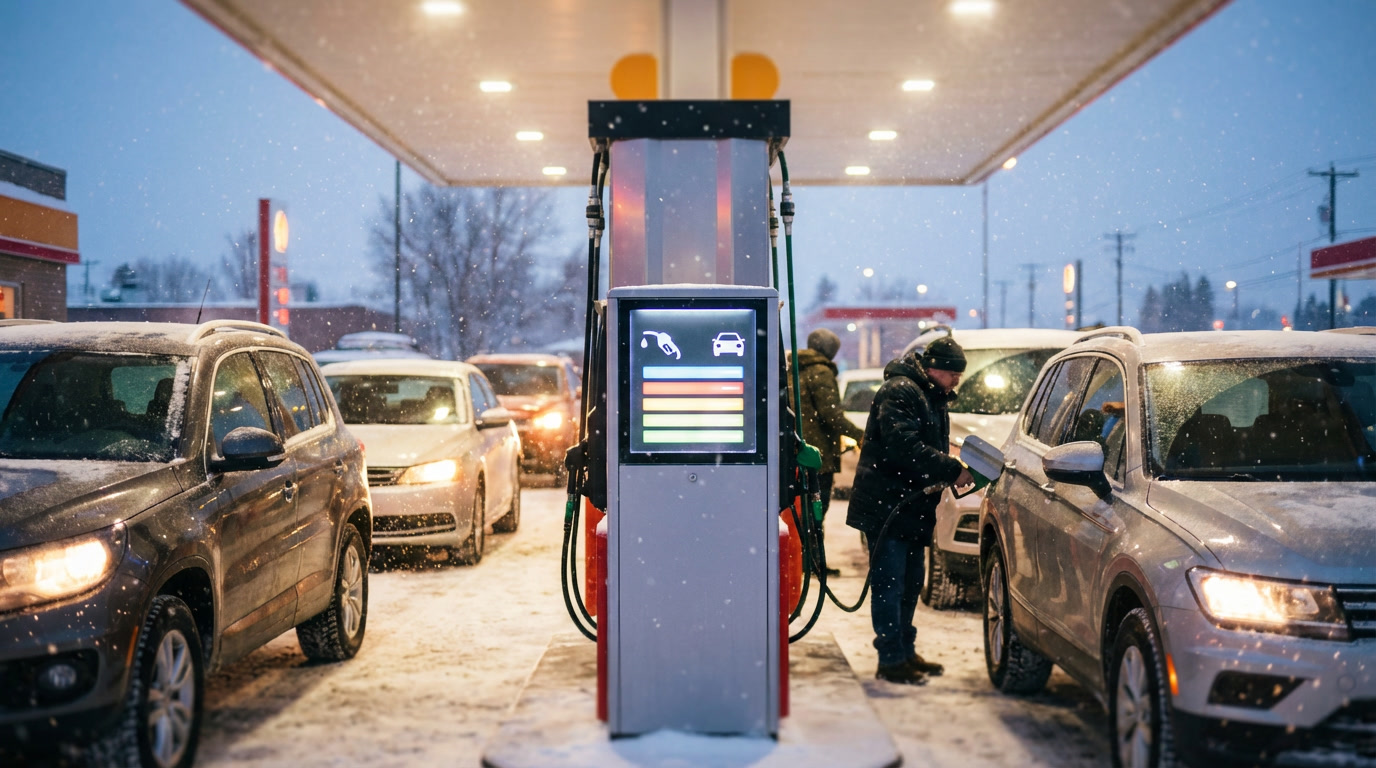
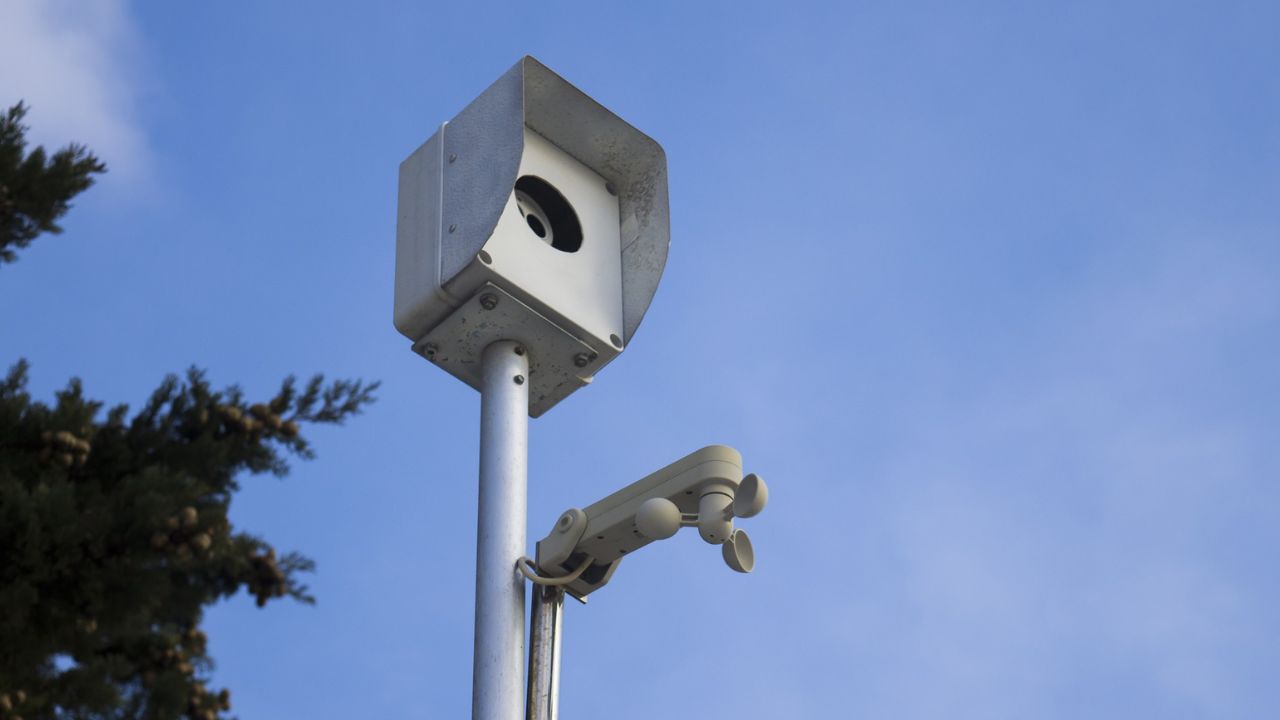
The flash went off just as the driver glanced down at the dashboard. 93 km/h on a road limited to 90. That tiny drop in the stomach followed instantly—the mental math, the hope. “Maybe it’s still okay.”
A week later, the brown envelope arrived. He opened it carefully. No fine. Just a photo, a few numbers, and a line he’d never really paid attention to before: measured speed, retained speed, tolerance applied.
That’s when it clicks for a lot of drivers. Speed cameras don’t punish you for exactly what your dashboard shows. There’s a margin built into the system. And in many places, that margin is being tightened, clarified, or quietly misunderstood.
What speed camera “tolerance” actually means
Speed camera tolerance isn’t folklore. It’s not a favor. It’s a technical correction built into enforcement systems to account for measurement uncertainty.
Every radar records a measured speed. From that number, authorities subtract a legally defined margin to arrive at the retained speed. Only the retained speed matters. That’s what appears on the ticket. That’s what determines fines, points, and suspensions.

Why does this exist at all? Because no system is perfectly exact. Radar angle, vehicle position, weather conditions, and even calibration drift can slightly affect readings. Tolerance exists to ensure people aren’t punished for tiny technical discrepancies.
But here’s the key point many drivers miss: tolerance is not permission. It’s a safeguard, not a buffer you’re meant to use.
How tolerances are usually applied
While exact figures vary by country and radar type, the logic is broadly consistent across Europe and many other regions.

On roads with limits under 100 km/h, authorities typically subtract a fixed number of km/h. On higher-speed roads, like motorways, they apply a percentage.
Here’s a simplified example that reflects how many systems work today:
| Speed Limit | Measured Speed | Typical Tolerance | Retained Speed | Result |
|---|---|---|---|---|
| 90 km/h | 95 km/h | –5 km/h | 90 km/h | No fine |
| 90 km/h | 97 km/h | –5 km/h | 92 km/h | Fine |
| 130 km/h | 138 km/h | –5% (~7 km/h) | 131 km/h | Fine |
| 130 km/h | 135 km/h | –5% (~7 km/h) | 128 km/h | No fine |
This is why two drivers flashing at nearly the same speed can have very different outcomes. A couple of km/h either way, and the retained speed crosses the legal threshold.
Why the “+10 km/h rule” is quietly dying
Ask around and you’ll hear it confidently repeated: “You can always go 10 over.” That rule has never existed in law. It’s a misunderstanding born from older tolerances, optimistic speedometers, and a lot of lucky escapes.
Modern enforcement has changed that reality.
Authorities have spent the last few years standardising radar calibration and tolerance rules. The goal is consistency. Fewer disputes. Clearer enforcement. Less ambiguity about what counts as speeding.
That means margins are no longer generous enough to support the old habits. Driving at 140 km/h on a 130 motorway because “it’s fine” is increasingly risky. What used to fall just under the retained threshold now often doesn’t.
From the driver’s seat, nothing feels different. Same road. Same speed. Same confidence. But in the database, you’re over.
Why your dashboard lies (a little)
Another detail most drivers underestimate: your car’s speedometer almost always shows slightly more than your real speed. Manufacturers do this deliberately to avoid legal liability. It’s common for dashboards to overread by 3–7 km/h at highway speeds.
So when your dashboard says 93, your actual speed might be 89 or 90. The radar measures closer to reality, then applies tolerance. That double correction explains why tickets often show lower numbers than what drivers swear they saw.
It also explains why trusting the dashboard “plus a bit” is a losing strategy.
What’s really changing with new tolerances
The biggest change isn’t the math. It’s the mindset enforcement agencies are trying to enforce.
Newer tolerance frameworks aim to:
- Reduce arguments about tiny margins
- Focus penalties on clear speeding
- Eliminate unofficial “accepted” overspeed habits
From a safety perspective, the message is blunt: the posted limit is the target, not the starting point for negotiation.
From a driver’s perspective, the grey zone is shrinking. If you’re relying on tolerance to save you, you’re gambling—not calculating.
How to drive without constantly fearing radars
The irony is that stricter clarity can actually reduce stress—if you adapt.
Experienced drivers who stop collecting fines often follow one simple rule: build your own buffer instead of borrowing the radar’s.
On a 90 km/h road, cruising at 85–87 on the dashboard gives you room for:
- Speedometer overestimation
- Small downhill acceleration
- Radar tolerance tightening
On a 130 km/h motorway, setting cruise control at 120–125 removes the mental gymnastics entirely.
Cars with speed limiters and traffic sign recognition make this even easier. They’re not perfect, but they stop the slow drift that gets people caught.
Where most fines happen isn’t on long straight roads. It’s in transition zones—villages, roadworks, school areas—where limits drop suddenly and attention slips for just a few seconds.
The traps drivers still fall into
One is overtrusting GPS speed apps. They lag slightly, especially during acceleration or downhill sections. That delay can be enough to put you over at the worst possible moment.
Another is assuming mobile or temporary cameras are “more forgiving.” They aren’t. The same tolerance rules apply.
And then there’s the classic reaction after a flash: “I was only a few over.” Sometimes that’s true—and still enough.
As one road safety analyst put it: “Tolerance absorbs technical error, not human optimism.”
A quieter shift on the road
Speed cameras aren’t going away. If anything, they’re becoming more invisible, more automated, more consistent. The tolerance rules sit quietly in the background, shaping behaviour without most drivers ever reading them.
For many people, the real change isn’t legal. It’s psychological. The game of pushing just to the edge is becoming less rewarding, more expensive, and more tiring.
The question stops being “How far can I push it?” and becomes “How do I drive without constantly calculating?”
When that shift happens, the radar loses some of its power. And the drive gets calmer.
Key takeaways
| Key Point | What It Means | Why It Helps |
|---|---|---|
| Tolerance is technical | Applied to every radar reading | Explains retained speed |
| No guaranteed buffer | “+10 km/h” is a myth | Avoids false confidence |
| Dashboard overreads | Your car shows higher speed | Reduces surprises |
| Personal buffer works | Drive slightly under limits | Lowers stress and fines |
FAQs:
Are speed camera tolerances the same everywhere?
No. The principles are similar, but exact margins depend on country, radar type, and calibration. The retained speed on your ticket is the only legally relevant figure.
Can I safely drive a few km/h over the limit?
There is never a guarantee. Tolerance exists for measurement uncertainty, not to allow faster driving.
Why is the speed on my ticket lower than what I saw?
Because your speedometer overestimates and the radar then applies an official deduction.