
On Tuesday mornings, the swimming pool changing room smells faintly of chlorine and lavender soap. Denise, 72, folds her towel with the slow precision of someone who no longer rushes. Her friend Marc, 68, jokes that “old people should come with a built-in shower timer.” Around them, the conversation is unexpectedly practical: sore shoulders, slippery bathtubs, dry skin that itches at night after a hot shower.
One woman lowers her voice and admits she has stopped showering every day. “I wash like my grandmother did,” she says, “with a flannel.” Suddenly, others lean closer. No one is really talking about soap or water. They’re talking about dignity, comfort, and the quiet fear of losing control over daily routines.

There is an unspoken question in the room.
How often should you really shower after 65 to feel clean, safe, and comfortable in your own body?
The daily shower myth after 65
For decades, daily showering has been sold as a marker of discipline and self-respect. Skipping a day can feel like failure. But after 65, the body changes in ways that make this rule less helpful—and sometimes harmful.

Skin becomes thinner and produces less natural oil. Balance can be less reliable. Muscles tire faster. What was once a refreshing habit can quietly turn into a source of dryness, dizziness, or anxiety about slipping.
Dermatologists increasingly agree on one point: a daily full-body shower is not a medical requirement for older adults. The goal shifts from “perfectly clean” to “clean enough, comfortable, and safe.”
That change sounds small. It isn’t.

In several retirement residences, caregivers noticed residents resisting daily showers—making excuses, delaying, or refusing outright. When staff asked a simple question, “How often would you feel good showering?”, the most common answer was not “every day” or “once a week,” but two or three times a week, with choice.
When schedules were adjusted to two or three full showers weekly, combined with daily targeted washing, stress dropped. So did skin irritation. People felt more in control. Cleanliness did not decline—comfort improved.
What aging skin actually needs
After 65, skin renews itself more slowly and loses part of its protective barrier. Long, hot showers with strong soap strip away what little oil remains. The result is dryness, itching, micro-cracks, and sometimes infections.
At the same time, the bathroom becomes one of the most common places for falls. A wet floor, fatigue, or lightheadedness can turn an ordinary shower into a real risk.
This is why many health professionals recommend a middle path for healthy older adults:
- Two to three full showers per week
- Daily washing of key areas (face, underarms, groin, feet, skin folds)
This routine respects both hygiene and biology. It also respects energy levels. Let’s be honest: few people feel their best after a long, exhausting shower every single day.
Finding a rhythm that helps you thrive
The healthiest routine is rarely extreme. Showering once a week is often not enough for most people, especially in warm climates or with sweating or incontinence. Showering daily with hot water and strong soap is often too much.
The “thriving zone” usually sits in between.
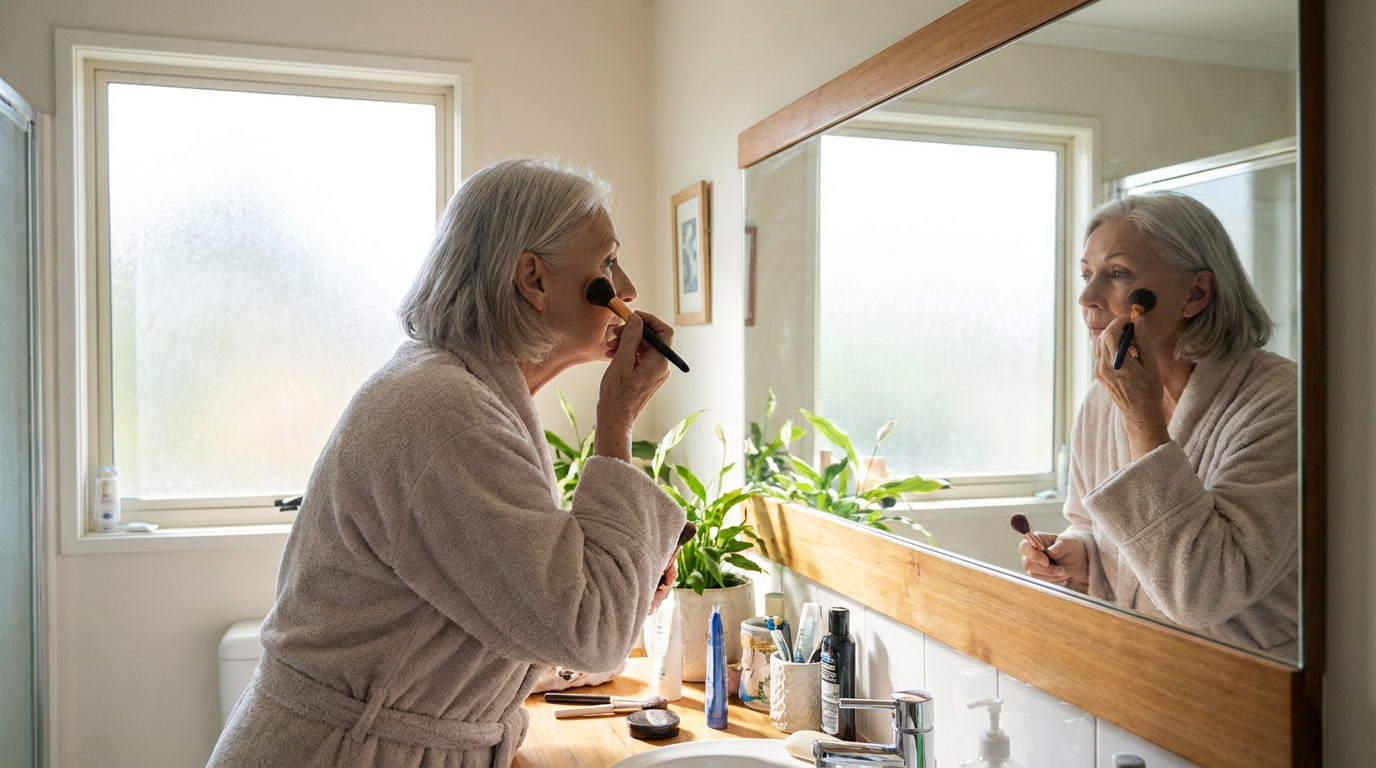
Many active adults over 65 find comfort in choosing calm days for full showers—days with time to sit, dry slowly, and moisturize properly. On other days, a five-minute wash at the sink keeps them fresh without draining energy.
This is not about lowering standards. It’s about adapting them.
One man, 69, stopped showering regularly after hip surgery because stepping into the tub felt dangerous. He wasn’t neglecting himself—he was avoiding fear. When his routine was redesigned with a shower chair, grab bars, and planned shower days, his hygiene improved and his confidence returned.
The frequency didn’t become careless. It became realistic.
Making showering safer and more pleasant
After 65, how you shower matters as much as how often.
Shorter showers—five to ten minutes—are easier on the skin and the heart. Lukewarm water is gentler than hot. Mild, fragrance-light cleansers work better than harsh soaps, especially when used only on areas that truly need them.
Simple adjustments can make a big difference:
- A non-slip mat and grab bar
- A shower stool to sit while washing legs or feet
- Good lighting
- A towel within arm’s reach
- Moisturizer applied immediately after drying
The goal is not to “get through” the shower. It’s to come out feeling better than when you went in.
Hygiene is about respect, not judgment
For many older adults, hygiene is tied to identity. Changing routines can feel like losing independence or dignity. That’s why conversations about showering often stall—or turn into silent battles.
But hygiene is not a moral test. It’s a form of care.
When families or caregivers ask open questions—“Does your skin hurt after showers?” “Are you afraid of slipping?”—solutions emerge naturally. Evening showers replace rushed mornings. Sitting replaces standing. Choice replaces pressure.
Hygiene stops being a verdict you can fail.
It becomes a dialogue with your body.
FAQs:
How often should someone over 65 shower?
For many healthy older adults, two to three full showers per week, combined with daily washing of key areas (face, underarms, groin, feet, skin folds), provides a good balance between cleanliness, comfort, and skin health.
Is it unhealthy to shower every day after 65?
Daily long or hot showers can dry and irritate aging skin, especially when strong soaps are used. Short, lukewarm showers or daily targeted washing are often gentler and safer.
What is the best alternative to daily full showers for seniors?
A daily “strategic wash” at the sink using a soft washcloth works well. Focus on odor-prone areas while saving full showers for two or three relaxed days per week.