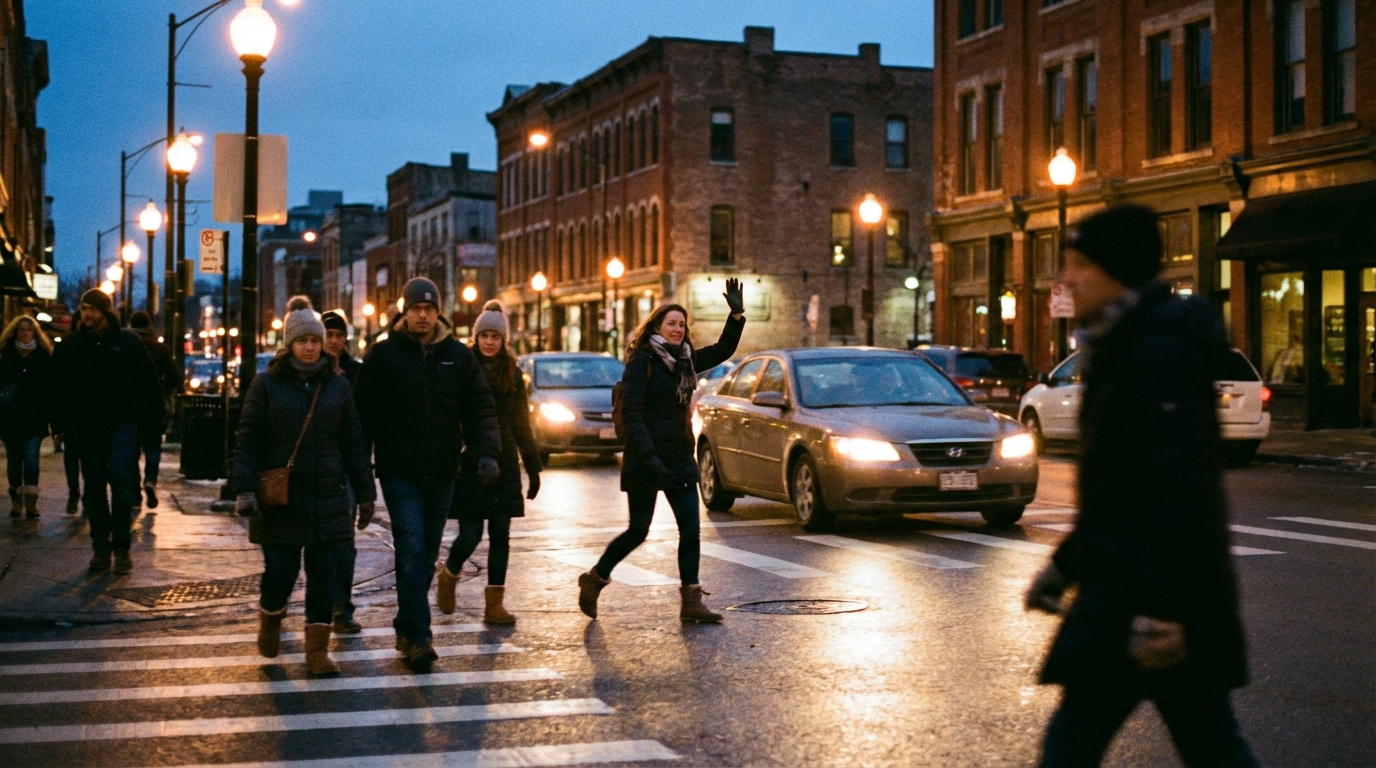
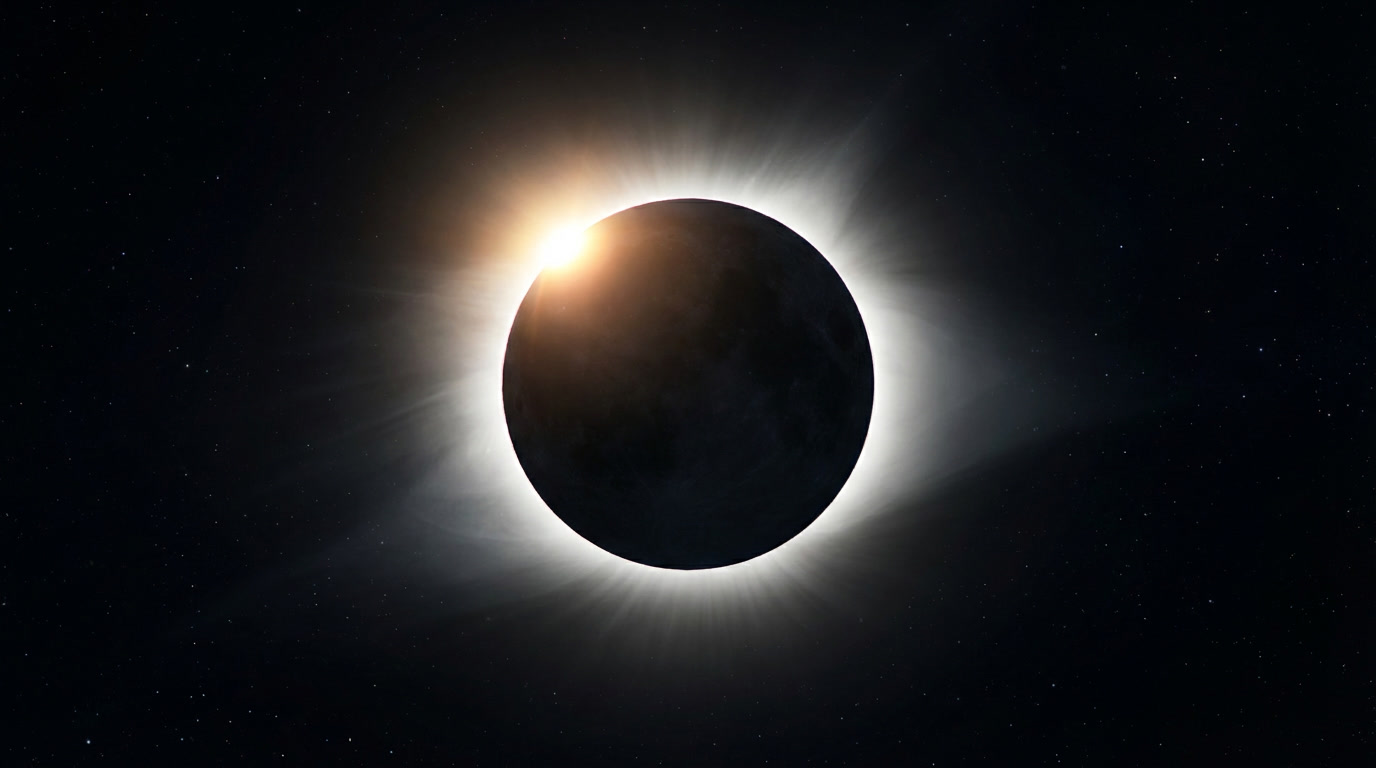
On a quiet summer afternoon, the kind that smells like hot asphalt and sunscreen, the sky will do something deeply unsettling. It will dim. Not slowly, not politely. One moment it’s a normal day, the next the light feels wrong, like someone messed with reality’s brightness settings. Birds stop mid-song. Dogs tilt their heads and whine. Streetlights blink on, confused. And for nearly six full minutes, the sun disappears.
This isn’t poetry or panic bait. Astronomers are tracking a rare total solar eclipse that will stretch darkness across parts of the Earth for close to six minutes—an absurdly long time in eclipse terms. Long enough for screams, tears, proposals, prayers, and that stunned silence that hits when the universe reminds you who’s really in charge.
Why this is being called the eclipse of the century

Most total solar eclipses are brief affairs. Blink and you miss half of it. Two minutes is considered decent. Three minutes? Excellent. Anything over five minutes is elite, once-in-a-generation territory.
The upcoming eclipse in July 2028 is flirting with that upper limit. In some locations, totality will approach six minutes—an eternity once the sun is gone. The last time humanity experienced something comparable was on July 22, 2009, when parts of Asia went dark for up to 6 minutes and 39 seconds. In Shanghai, people abandoned cars on highways to stare at the sky. Offices emptied. Social media, still young back then, flooded with shaky videos and audible gasps.
Astronomers don’t throw around phrases like “eclipse of the century” lightly, but this one earns the nickname because of how neatly the physics line up.
The simple physics behind a very dramatic sky

A total solar eclipse is all about distance and timing. For a long eclipse, three things have to cooperate perfectly.
First, the Moon needs to be near perigee—its closest point to Earth—so it appears slightly larger in the sky. Second, Earth needs to be near aphelion, when we’re farthest from the Sun, making the Sun look a bit smaller. Third, the Moon’s shadow must sweep across the fattest part of Earth, near the equator, where the surface moves fastest.
When all three click into place, the Moon doesn’t just cover the Sun. It swallows it. The result is a black disk rimmed by the Sun’s ghostly corona, hanging in a sky that looks more like deep twilight than night.

NASA’s eclipse models, published years in advance on its official site (https://eclipse.gsfc.nasa.gov), show that July 22, 2028 comes close to this cosmic sweet spot.
When and where the darkness will fall
Mark the calendar: July 22, 2028.
On that day, the Moon’s shadow will race across the Southern Hemisphere. The path of totality begins over the Indian Ocean, moves across northwest Australia, and then sweeps out over the Pacific.
Northwest Australia—especially areas near Broome—will be one of the most accessible land-based viewing zones. That’s already setting off quiet alarm bells in the travel world. Local tourism boards are preparing. Hotels are watching demand. Veteran eclipse chasers are booking accommodations years early, cross-referencing cloud statistics with obsessive care.
Outside the narrow path of totality, roughly 150–200 kilometers wide, viewers will see only a partial eclipse. The Sun will turn into a dramatic crescent, but daylight won’t fully vanish. That line—between partial and total—is the difference between “neat” and “life-altering.”
Official path maps and timing tables are available through NASA and the Australian government’s Geoscience Australia portal (https://www.ga.gov.au), which has already begun publishing preliminary geographic data.
What it actually feels like on the ground
Ask anyone who’s experienced a long total eclipse and they won’t start with science. They’ll talk about the cold.
Temperatures can drop several degrees in minutes. The wind often shifts. Shadows sharpen, sometimes splitting into eerie double outlines. The horizon glows orange and pink in every direction at once, like a 360-degree sunset wrapped around a black hole where the Sun used to be.
Animals notice. Birds roost. Insects go quiet. Humans, for all their technology, mostly just stare.
During totality, it’s safe to remove eclipse glasses and look directly at the Sun’s corona. That’s when people cry without knowing why. That’s when laughter bubbles up, too loud and a little hysterical. That’s when someone always proposes.
Six minutes doesn’t sound long until you’re inside it.
How to watch it without ruining it
Eclipse watching is deceptively simple, but mistakes are common.
The first rule is eye safety. Outside totality, you must use ISO-certified eclipse glasses. NASA and the American Astronomical Society maintain updated lists of approved vendors (https://eclipse.aas.org). Counterfeit glasses are a real issue during major eclipses, so buy early and buy reputable.
Second, location matters more than comfort. A dusty town with clear skies beats a luxury hotel under cloud cover every time. Veteran chasers study decades of weather data before choosing where to stand.
Third, don’t over-document. Take a few photos during the partial phases if you want, but when totality hits, put the phone down. Your brain will record better footage than any camera.
Australian astrophotographer Lena K., who has chased eclipses across three continents, put it bluntly: “During my first long eclipse, my hands just dropped. I forgot every checklist I’d made. I watched strangers hug and cry. I barely took photos, and I don’t regret it for a second.”
FAQs:
Is the July 22, 2028 eclipse really that rare?
Yes. Total eclipses happen somewhere every 18 months on average, but long totalities nearing six minutes are exceptionally uncommon.
Will the eclipse be visible from the US or Europe?
No. This eclipse primarily affects the Southern Hemisphere, especially northwest Australia and the Pacific.
Can I look at the eclipse without glasses during totality?
Only during totality itself. Before and after, certified eclipse glasses are mandatory.