
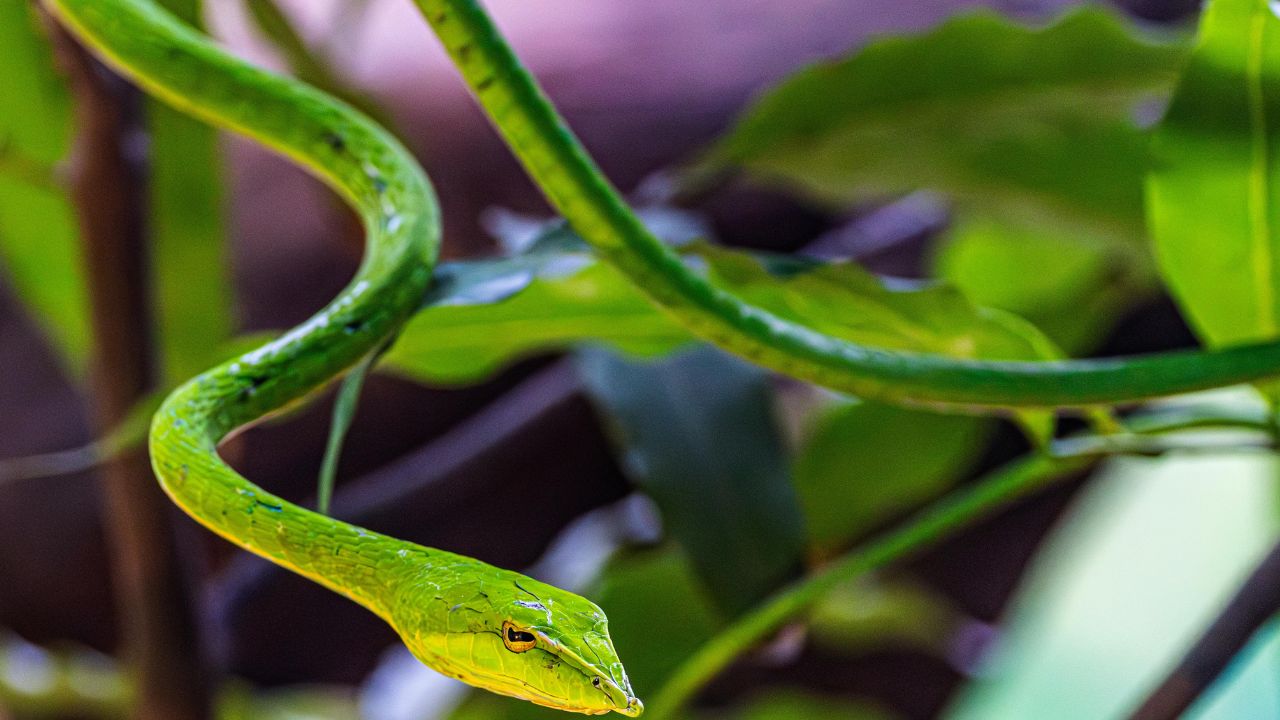
The evening it happened, no one was thinking about snakes. It was summer, that soft hour before sunset when gardens look calm and harmless. My neighbor leaned over her flowerbed to grab a handful of mint for tea and froze mid-reach. Curled beneath the broad green leaves was a patterned body, motionless and perfectly camouflaged. The scream that followed sent doors flying open up and down the street.
Someone pointed. Someone swore. And an older gardener, standing a little back, just shook his head and said, “Hostas.”

That’s when the fear shifted into something more unsettling: the realization that some of the prettiest, most popular garden plants are also doing a quiet favor for snakes.
The shade plant snakes quietly love
Hostas are everywhere. They’re the go-to plant for shady spots, sold by the millions, praised for being easy, lush, and forgiving. Big leaves, rich color, neat borders. From a design perspective, they’re perfect.
From a snake’s perspective? Even better.

When hostas mature, their overlapping leaves form dense, ground-hugging cover. Underneath is cool, moist soil, protected from sun and wind. That’s prime real estate for snakes looking to rest, hide, or hunt without being seen.
Homeowners often say the same thing: “We never had snakes until we planted hostas.” What changed wasn’t the neighborhood wildlife. It was the comfort level. Slugs and snails gather under the leaves. Small insects follow. Snakes come for the food and stay for the shelter.
A man in rural Georgia told me his snake sightings began the summer he lined his front steps with hostas. Within weeks, he found shed skins tucked beneath the leaves. One morning, barefoot, he nearly stepped on a garter snake sliding back into the shade. Harmless species, yes—but the shock was enough to change how he saw that bed forever.
Why hostas create the perfect hiding zone

Snakes don’t want confrontation. They want invisibility. Hostas give them exactly that.
The leaves block sightlines from above. The soil underneath stays cool even during heatwaves. Moisture lingers longer than in open ground. And because hostas are often planted right against foundations, decks, stairs, and fences, they create shaded corridors that run straight from wild edges into human spaces.
From ground level, a row of hostas looks less like decoration and more like a tunnel system.
This is why the problem isn’t just the plant—it’s the placement. Hostas along a back fence far from activity are one thing. Hostas hugging your front steps, patio, or children’s play area are another entirely.
The landscaping mistake people don’t realize they’re making
Many snake encounters happen close to the house, not deep in the yard. That’s because people unintentionally wrap their homes in low, dense greenery. It looks inviting. It feels cozy. But it also removes visibility and creates uninterrupted cover.
A landscaper in Texas told me he stopped installing hostas along walkways after a client’s close call with a copperhead. The plant bed looked tidy and harmless. Underneath, it was a shaded trench. A child tossing pebbles startled the snake, which struck defensively and missed by inches.
Since then, he still uses hostas—but only in raised beds or mixed plantings away from doors and paths. He leaves gaps. He lets light hit the soil. He breaks up the continuous cover.
“The plant isn’t dangerous,” he said. “The tunnel is.”
How to keep hostas without inviting snakes
You don’t need to rip out every hosta in your garden. Panic removals usually cause more regret than relief. What you need is smarter layout and maintenance.
Start by seeing your garden from a snake’s perspective. Crouch down. Look for uninterrupted shade at ground level. Follow the cool, hidden routes from fence lines toward your house.
Then make a few adjustments.
Keep dense, low plants like hostas several feet away from doors, stairs, and patios. Open up the base of large clumps so soil is visible. Divide overcrowded plants. Mix hostas with taller, airier plants that let sunlight through—ornamental grasses, ferns, or flowering perennials with open stems.
Near high-traffic areas, use gravel, stone, or low groundcovers instead of thick foliage. Snakes avoid hot, exposed areas where they can’t hide quickly.
And don’t ignore the extras. Stacked firewood, unused pots, leaf piles, boards under decks—all of these extend the comfort zone hostas create.
A herpetologist once summed it up simply:
“Plants don’t summon snakes. They just make staying worthwhile.”
Garden beauty without constant fear
A garden is never sterile. It’s a living system, whether we like it or not. The goal isn’t to eliminate wildlife entirely—it’s to control where it feels welcome.
Hostas aren’t villains. They’re just very good at creating the exact conditions snakes prefer. Once you understand that, you gain control back. You decide where shade lives. Where cover ends. Where humans and wildlife politely stay out of each other’s way.
Many homeowners keep their hostas—just further out. Others swap them near the house for lighter plantings and sleep better at night. Both choices are valid.
But once you’ve seen a snake vanish under those glossy leaves, you never look at that plant quite the same way again.
Key takeaways
| Key Point | Detail | Why It Matters |
|---|---|---|
| Hostas provide ideal snake cover | Dense leaves, shade, and moist soil at ground level | Explains why snakes linger |
| Placement matters more than plant | Continuous borders act like hidden corridors | Allows safer garden design |
| Simple changes reduce risk | Thinning, spacing, sunlight, debris removal | Keeps garden attractive and safer |
| Snakes follow comfort, not plants | Food and shelter keep them around | Focuses prevention efforts correctly |
FAQs:
Do hostas really attract snakes, or is it a myth?
They don’t lure snakes from afar, but their dense, shady growth creates ideal resting and hunting conditions, especially if snakes already live nearby.
Should I remove all hostas if I live in a snake-prone area?
Not necessarily. Avoid planting them close to doors, walkways, decks, or play areas. Placement and maintenance matter more than removal.
What plants are safer near the house?
Choose airier plants with visible soil, ornamental grasses, small shrubs with open bases, sun-loving perennials, or gravel and stone borders.